Blog

Our blog provides updates on important news and developments around Open Risk, and a running commentary on external developments when related to our mission. You can view posted articles either here in reverses chronological order, from the front-page or by selecting the relevant post tag from the right column.

Archive

Our archive page groups blog entries chronologically by year.


Taxonomy of Uncertainty

Taxonomy of Uncertainty

We review and synthesize into a taxonomy a number of related concepts and terms describing uncertainty, risk, randomness and model risk

Reading Time: 14 min.

Risk, Randomness, Uncertainty and other Ambiguous Terms

Uncertainty versus Risk is a popular discussion topic among risk managers, especially after major risk management disasters. The debate can get really hairy and drift into deep philosophical areas about the nature of knowledge etc. Yet the significance of having an as clear as possible language toolkit around these terms should not be underestimated. Practical risk management typically shuns too deep excursions into the meaning of things, yet that is not quite compatible with the use of sophisticated methods and tools (such as a Risk Model ) that assumes an understanding of the scope and limitations of “knowledge”.

A Global Mobility Index

A Global Mobility Index

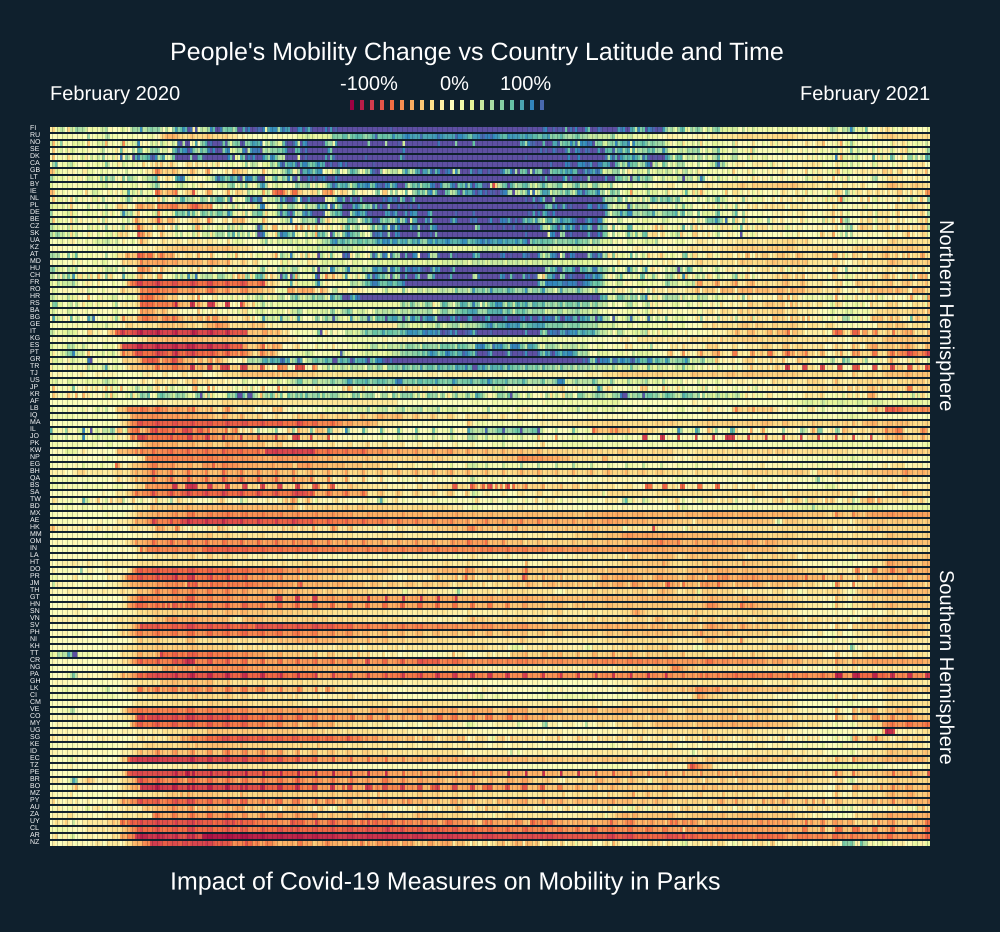
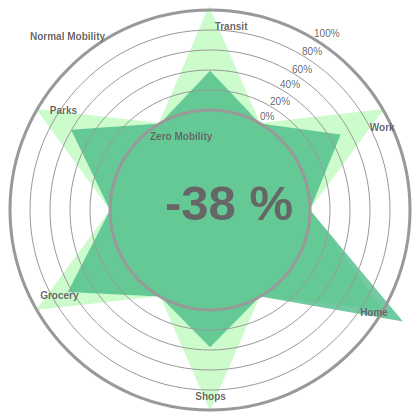
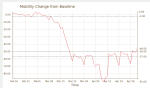
We introduce a global mobility index that averages Google mobility data across all available countries (weighting by population) to provide an overall view of how the pandemic has influenced human mobility

Reading Time: 6 min.

Constructing a Global Mobility Index (GMI)

In previous posts (here, and here) we introduced new Open Risk Dashboard functionalities that integrate COVID-19 community mobility data (currently focusing on the datasets provided by Google).

As a reminder, these reports chart over time human mobility trends collected from mobile geolocation data. The granularity is by geography and across different categories of places / activities such as retail and recreation areas, groceries and pharmacies, parks, transit stations, workplaces, and residential areas. Through these data sets we have available (for the first time in history) an overall quantitative view of global mobility (and Mobility Risk )!

Is Global Debt Truly Astronomical?

Is Global Debt Truly Astronomical?

Is Global Debt Truly Astronomical?

Reading Time: 11 min.

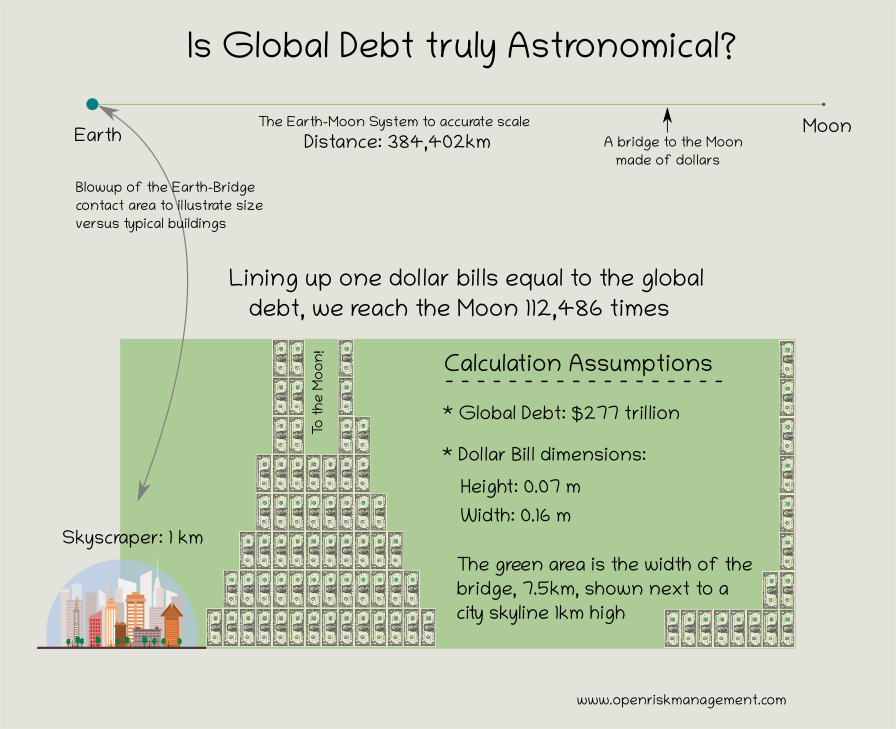
Is the size of global debt truly “astronomical”?

Hubble Deep Field

The notion of astronomical numbers and figures is quite frequently seeping in everyday language when large quantities of something are encountered in “normal” life. The strict definition of astronomical is obviously something of, or relating to, astronomy and astronomical observations but in common usage it also denotes something enormously or inconceivably large. This is, of course, because astronomical figures are inconceivably large!

Risk Function Ontology

Risk Function Ontology

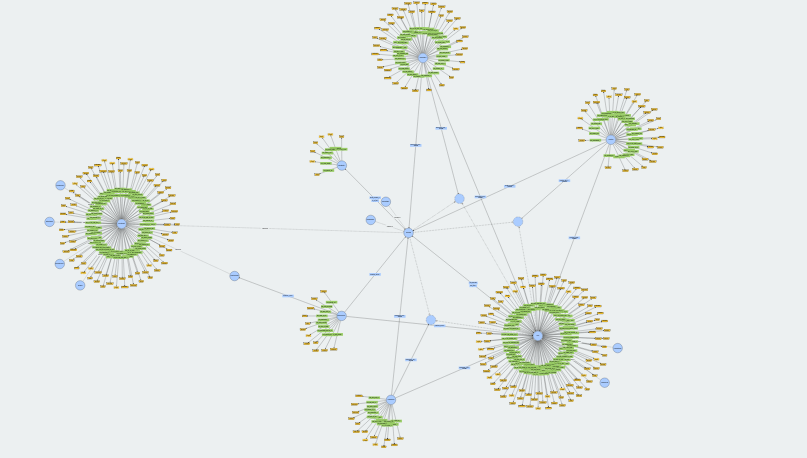
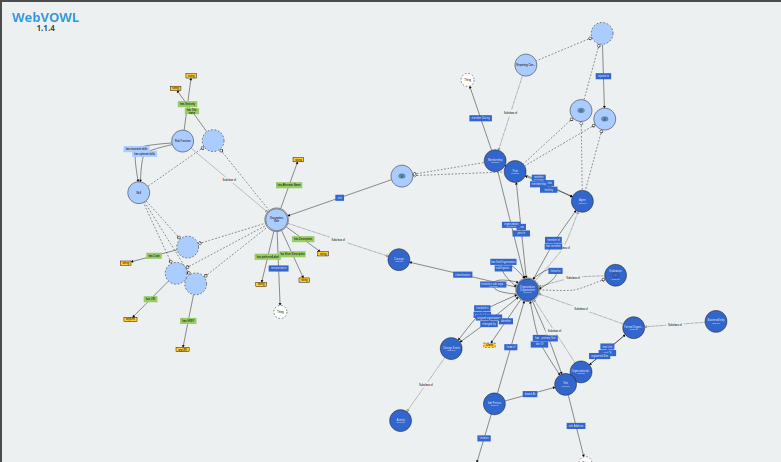
The Risk Function Ontology (RFO) is a new ontology describing risk management roles (posts) and functions.

Reading Time: 3 min.

RFO Visualization

The Risk Function Ontology

The Risk Function Ontology is a framework that aims to represent and categorize knowledge about risk management functions using semantic web information technologies. Codenamed RFO codifies the relationship between the various components of a risk management organization. Individuals, teams or even whole departments tasked with risk management exist in some shape or form in most organizations. The ontology allows the definition of risk management roles in more precise terms, which in turn can be used in a variety of contexts: towards better structured actual job descriptions, more accurate description of internal processes and easier inspection of alignement and consistency with risk taxonomies. See also live version and the white paper OpenRiskWP04_061415.

Monte Carlo Simulation of the US Electoral College

Monte Carlo Simulation of the US Electoral College

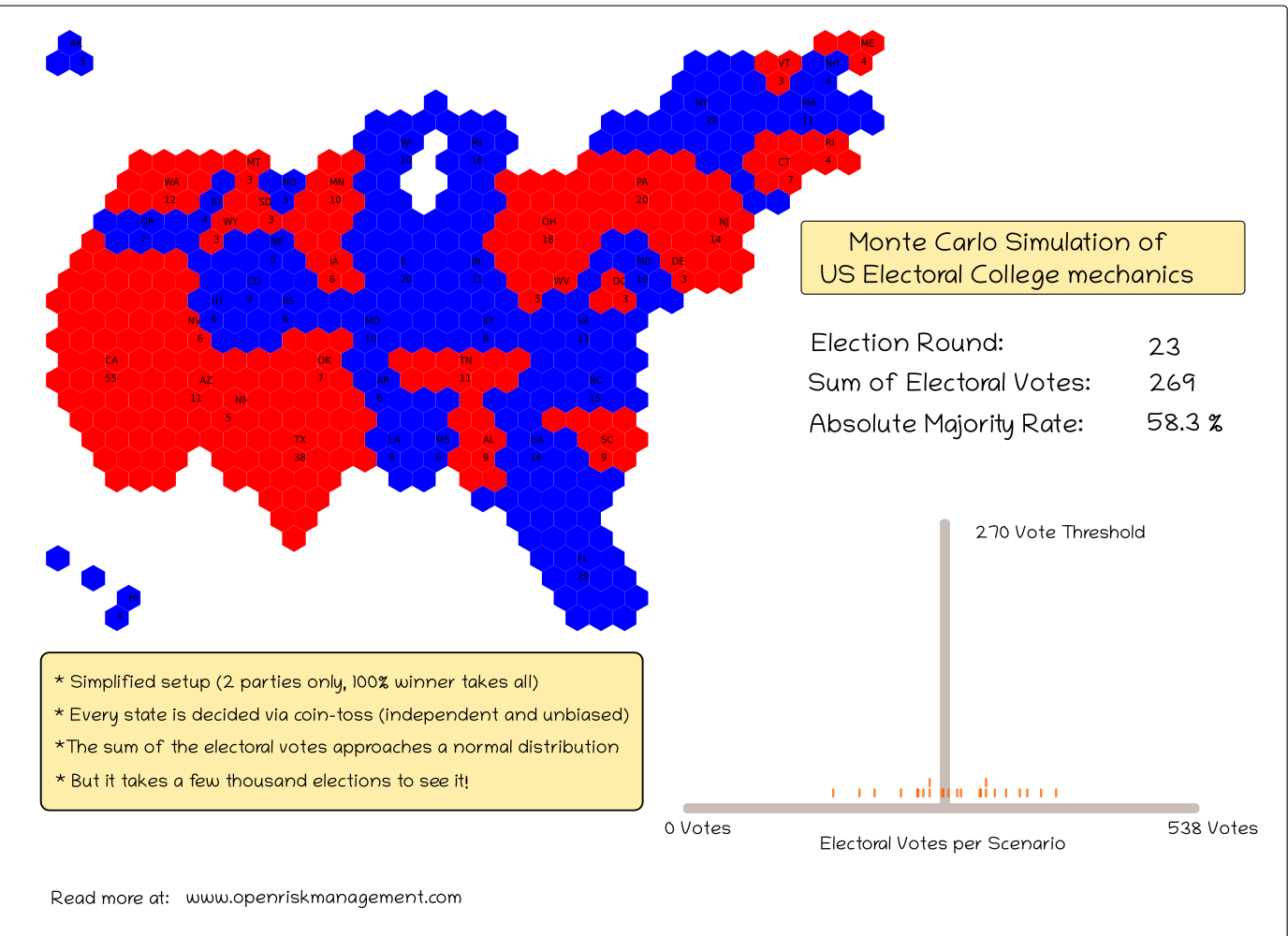
Using a simplified version of the rules of the US Electoral College system we illustrate how the use of Monte Carlo techniques allows exploring systems that show combinatorial explosion

Reading Time: 9 min.

The role of simulation in risk management and decision support

A Simulation is a simplified imitation of a process or system that represents with some fidelity its operation over time. In the context of risk management and decision support simulation can be a very powerful tool as it allows us to assess potential outcomes in a systematic way and explore what-if questions in ways that might otherwise be not feasible. Simulation is used when the underlying model is too complex to yield explicit analytic models (An analytic model is one can be “solved” exactly or with standard numerical methods, for example resulting in a formula).

Federated Credit Systems, Part One: Unbundling the Credit Provision Business Model

Federated Credit Systems, Part One: Unbundling the Credit Provision Business Model

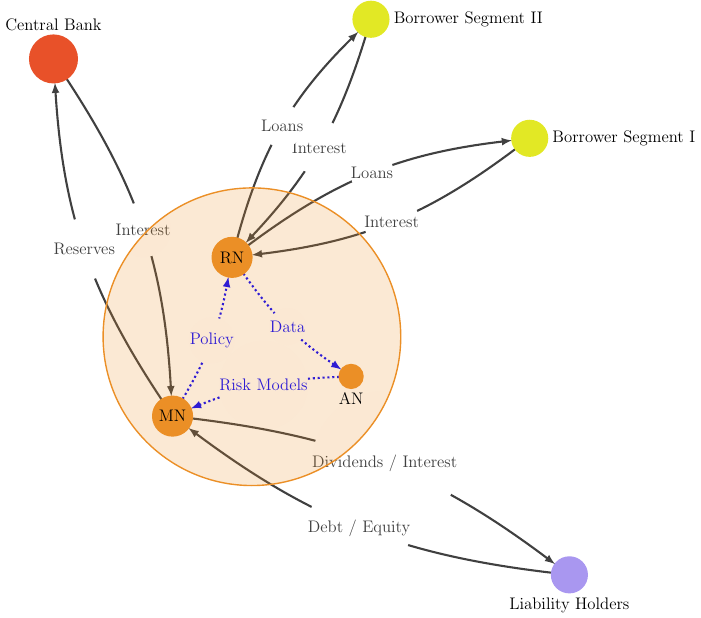
In this Open Risk White Paper, the first in a series of three, we introduce and explore the concept of federated credit systems as a potentially interesting domain for the application of federated analysis and federated learning.

Reading Time: 1 min.

Federated Credit Systems, Part I: Unbundling the Credit Provision Business Model

As an architectural design and information technology approach, federation has received increased attention in domains such as the medical sector (under the name federated analysis), in official statistics (under the name trusted data) and in mass computing devices (smartphones), under the name federated learning.

Logarithmic Sankey Visualization of Credit Migrations

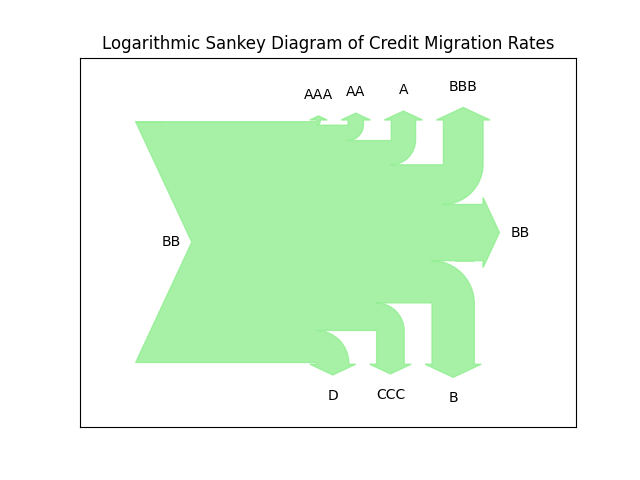
Logarithmic Sankey Visualization of Credit Migrations

Sankey diagrams are very useful for the visualization of flows, especially when there is a conserved quantity. They can be tricky when some of the flows are much smaller than others. In the latest release of transitionMatrix we include an example of a log-scale version of Sankey

Reading Time: 5 min.

Using Sankey Diagrams

Sankey Diagrams are a type of flow diagram composed of interconnected arrows. The width of the arrows is proportional to the flow rate. Sankey diagrams are often used in physical sciences (physics, chemistry, biology) and engineering but also in economics. They can be used to represent the relative role and significance of various inputs and outputs in a given process.

openNPL 0.2 REST API implementation

openNPL 0.2 REST API implementation

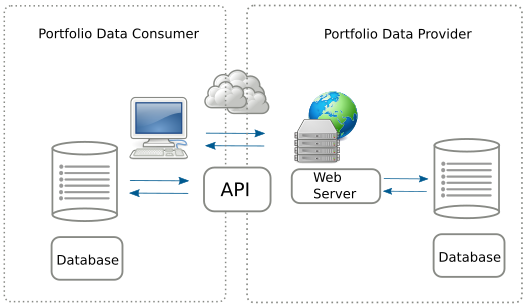
The 0.2 release of openNPL exposes a RESTful API that provides easy standardized online access to NPL credit portfolio data conforming to the EBA NPL templates

Reading Time: 4 min.

openNPL 0.2 release

The open source openNPL platform supports the management of standardized credit portfolio data for non-performing loans. In this respect it implements the detailed European Banking Authority NPL loan templates. openNPL aims to be at the same time easy to integrate in human workflows (using a familiar web interface) and integrate into automated (computer driven) workflows.

Back to School With the Open Risk Academy

Back to School With the Open Risk Academy

In the Back-to-School for 2020 we have more ways to access the Academy, new functionalities and more courses. In the rest of this post you will find a summary of the changes with pointers to further information where required

Reading Time: 4 min.

Risk Management will not be the same going forward: too much is at stake

The summer is over in the Northern Hemisphere - and what an unusual summer has it been! Worldwide the implications and challenges of adjusting to a Covid-19 pandemic are still a major issue, affecting individuals, companies and governments.

openNPL now Available in Dockerized Form

openNPL now Available in Dockerized Form

Open Source, cloud based management of Non-Performing Loan data following the European Banking Authority's templates with just a few keystrokes!

Reading Time: 1 min.

openNPL now Available in Dockerized Form

Following up on the first release of openNPL the platform is now available to install using Docker. Running openNPL via docker is the installation option that simplifies the manual process (but a working docker installation is required!).

Docker Hub

You can pull the latest openNPL image from Docker Hub ( This method is recommended if you do not want to mess with the source distribution).

21 Ways to Visualize a Timeseries

21 Ways to Visualize a Timeseries

We explore a variety of distinct ways to visualize the same simple dataset. The post is an excursion into the fundamentals of visualization - a partial deconstruction of the process that highlights some common techniques and associated issues.

Reading Time: 1 min.

Course Objective

This course is a deep-dive into the structure of visualizations, in particular visualizations of timeseries data. The course is now live at the Academy.

openNPL: Open Source NPL Platform - First Release

openNPL: Open Source NPL Platform - First Release

We introduce an open source platform that allows the easy management of non-performing loan data

Reading Time: 4 min.

Non-Performing Loans

The covid-19 crisis will certainly impact the concentration of Non-Performing Loans but given the special nature of this economic crisis compared (in particular) with the 2008 financial crisis it is unclear how precisely things will evolve.

In a previous post and white paper (OpenRiskWP07_022616) we discussed the importance of advancing open and transparent methodologies for managing the risks associated with such credit portfolios. Effective management of NPL is also a top regulatory priority. Following calls from the EU Commission and the EU Council to develop data templates to reduce information asymmetries between potential buyers and sellers of NPL, the European Banking Authority (EBA) has developed such standardised data templates.

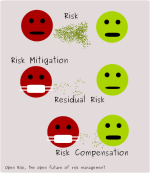
Risk Compensation: From Face Masks to Credit, Market and Systemic Risk

Risk Compensation: From Face Masks to Credit, Market and Systemic Risk

Reading Time: 7 min.

What is Risk Compensation?

Risk Compensation is a behavioral model of human attitudes towards risk which suggests that people might adjust their behavior in response to the perceived level of risk. It follows that, depending on the strength of the effect, that it might counteract and even annul the impact of risk mitigation, if the updated attitude and behavior modifies the actual underlying risk

Comparing Google Community Mobility Reports Across Countries

Comparing Google Community Mobility Reports Across Countries

Reading Time: 5 min.

The community mobility reports and OpenCPM

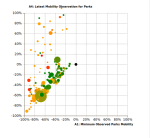
In a previous post we introduced new OpenCPM functionality that integrates COVID-19 community mobility data (currently from Google). The reports chart movement trends over time by geography, across different categories of places such as retail and recreation, groceries and pharmacies, parks, transit stations, workplaces, and residential.

Exploring Community Mobility Reports Using OpenCPM

Exploring Community Mobility Reports Using OpenCPM

Reading Time: 7 min.

The community mobility reports and OpenCPM

As the COVID-19 pandemic unfolded technology providers (most notably Google and Apple) made available to the public aggregated and anonymized data about human mobility in the crisis period (on the basis of smartphone location data). These Community Mobility Reports provide insights into how mobility patterns changed in response both to pandemic news and policies aimed at combating COVID-19.

New Open Risk Academy Course: Introduction to GeoJSON

New Open Risk Academy Course: Introduction to GeoJSON

Reading Time: 2 min.

Course Content

This course is a CrashProgram (short course) introducing the GeoJSON specification for the encoding of geospatial features. The course is at an introductory technical level. It requires some familiarity with data specifications such as JSON and a very basic knowledge of Python

The Game of Life With Macroeconomic Stimulus

The Game of Life With Macroeconomic Stimulus

Agent-based models is a major class of simulation models, with many potential applications in economics and finance

Reading Time: 7 min.

Agent-Based Models

The origins and early years

According to Wikipedia an agent-based model (ABM) is

ABM: class of computational models for simulating the actions and interactions of autonomous agents (both individual or collective entities such as organizations or groups) with a view to assessing their effects on the system as a whole.

New Open Risk Academy Course: Simulation of Credit Contagion

New Open Risk Academy Course: Simulation of Credit Contagion

Reading Time: 2 min.

Course Content

This course is an introduction to the concept of credit contagion. It covers the following topics:

  • Contagion Risk Overview and Definition
  • Various Contagion Types and Modelling Challenges
  • The Simple Contagion Model by Davis and Lo
  • Supply Chains Contagion
  • Sovereign Contagion
Connecting the Dots: Economic Networks as Property Graphs

Connecting the Dots: Economic Networks as Property Graphs

Reading Time: 0 min.

Connecting the Dots: Economic Networks as Property Graphs

We develop a quantitative framework that approaches economic networks from the point of view of contractual relationships between agents (and the interdependencies those generate). The representation of agent properties, transactions and contracts is done in the context of a property graph.

A typical use case for the proposed framework is the study of credit networks.

Why is Risk so poorly defined?

Why is Risk so poorly defined?

Why is Risk so poorly defined?

Reading Time: 5 min.

A survey of existing definitions of risk

When looking up the meaning of Risk we are confronted with a surprising situation. There is no satisfying and authoritative general purpose one-line definition that we can adopt without second thoughts. Let us start with the standard dictionary definitions: