Geospatial

Methodologies for estimating data center environmental impacts

Methodologies for estimating data center environmental impacts

The environmental impact of data centers is currently a topic of much discussion. In the second post of this series we look into the methodologies that are being used to analyse environmental impacts, with a view to create a uniform calculation framework.

Reading Time: 27 min.

In the first post of a series dedicated to the measurement of data center environmental footprints we reviewed the conceptual thought frameworks and challenges. The main objective in this second post is to outline current measurement methodologies and document their quantitative prescriptions in mathematical form.

The big picture around data center environmental impacts

The big picture around data center environmental impacts

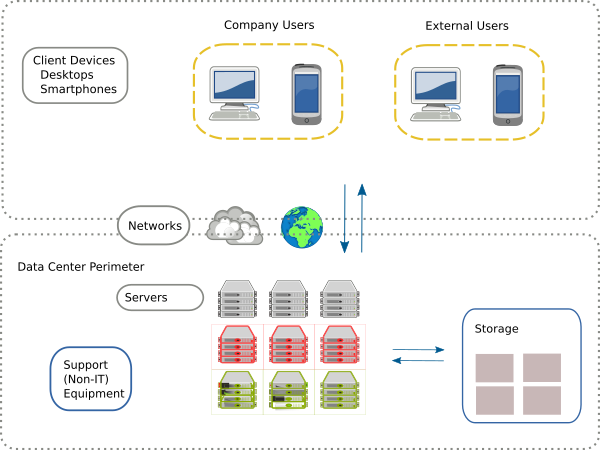
The environmental impact of ever larger data centers is currently a topic of heated discussion. In this post we take a step back and look into the overall landscape of environmental reporting of the digital economy footprints, sketching the big picture of what is being calculated and reported and some challenges associated with this task.

Reading Time: 31 min.

Concern about the environmental footprint of data center infrastructure is relatively new.1 In the early stages of the sustainability movement the volume of digital infrastructure deployed in data centers was dwarfed by the environmental impact of other industrial sectors (e.g., transport, manufacturing, agriculture etc.). Hence even as milestones such as the Paris Agreement (2015) accelerated worldwide efforts towards a sustainable economy, the Information and Communication Industry (ICT) sector received comparatively little attention.

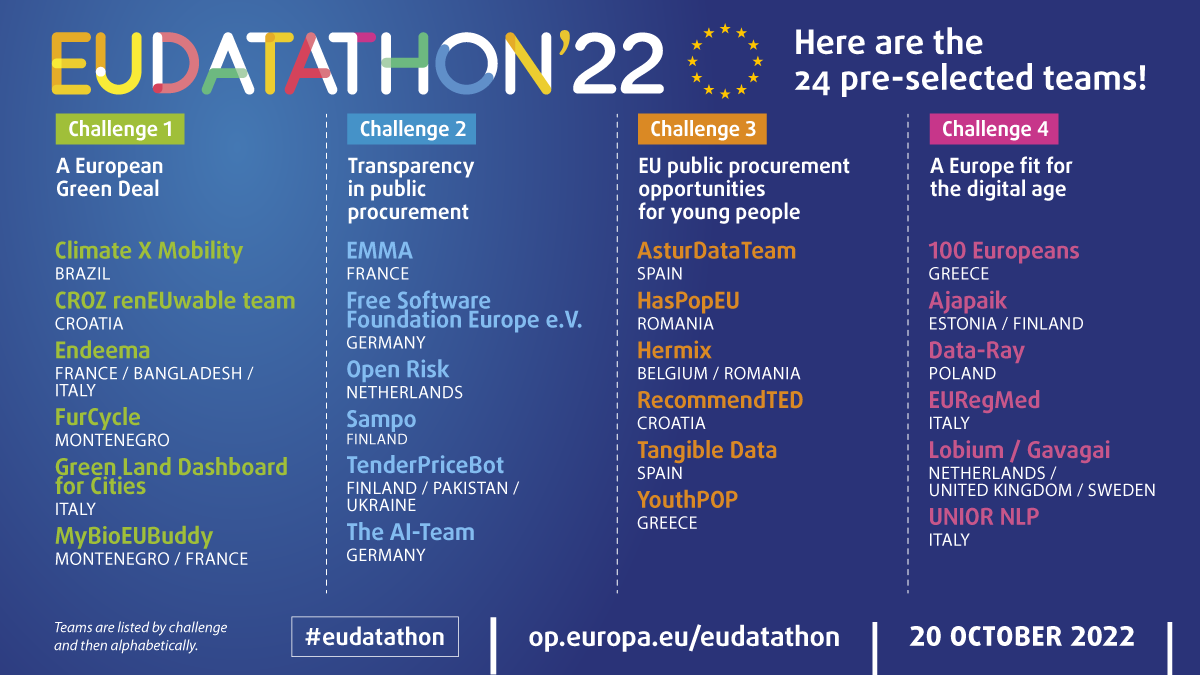
EU Datathon 2022 preselection for the Equinox platform

EU Datathon 2022 preselection for the Equinox platform

We are very happy to announce that our EU Datathon 2022 proposal based on the equinox platform has been pre-selected to enter the formal stage of the competition

Reading Time: 2 min.

What is the EU Datathon?

The EU Datathon is an annual Open Data competition organised by the Publications Office of the European Union since 2017. The competitions are organised to create new value for citizens through innovation and promoting the use of open data, in particular the datasets available on the official portal for European data.

Equinox 0.4 release focuses on green public procurement functionality

Equinox 0.4 release focuses on green public procurement functionality

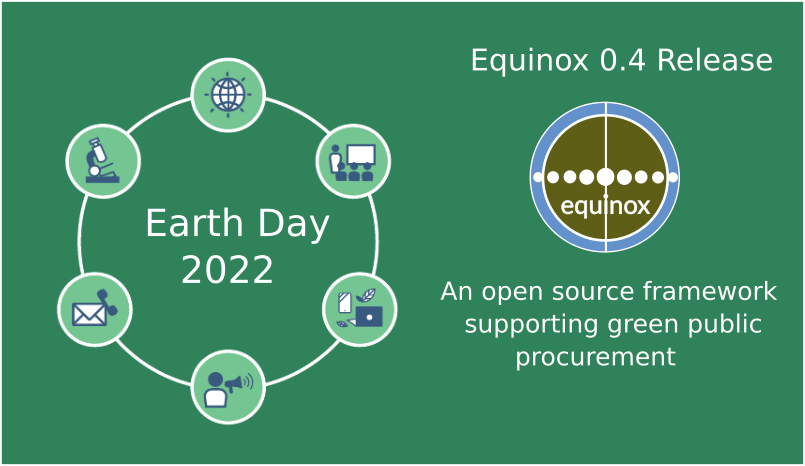
On Earth Day 2022 we are happy to release a significant update of Equinox, the open source platform supporting sustainable portfolio management

Reading Time: 1 min.

Equinox 0.4 Release

Equinox is an open source platform that supports holistic risk management and reporting in the context of Sustainable Portfolio Management. The platform integrates geospatial information with applicable regulatory and industry standards, for example the GHG Protocol (accounting for Project based, Corporate and City-Wide greenhouse gas emissions), the IPCC Emissions Factor database and further reference data, the PCAF attribution methodologies (and more) to provide a holistic view of the footprint of both individual projects and portfolios.

Integrating the IPCC Emissions Factors Database Into Equinox

Integrating the IPCC Emissions Factors Database Into Equinox

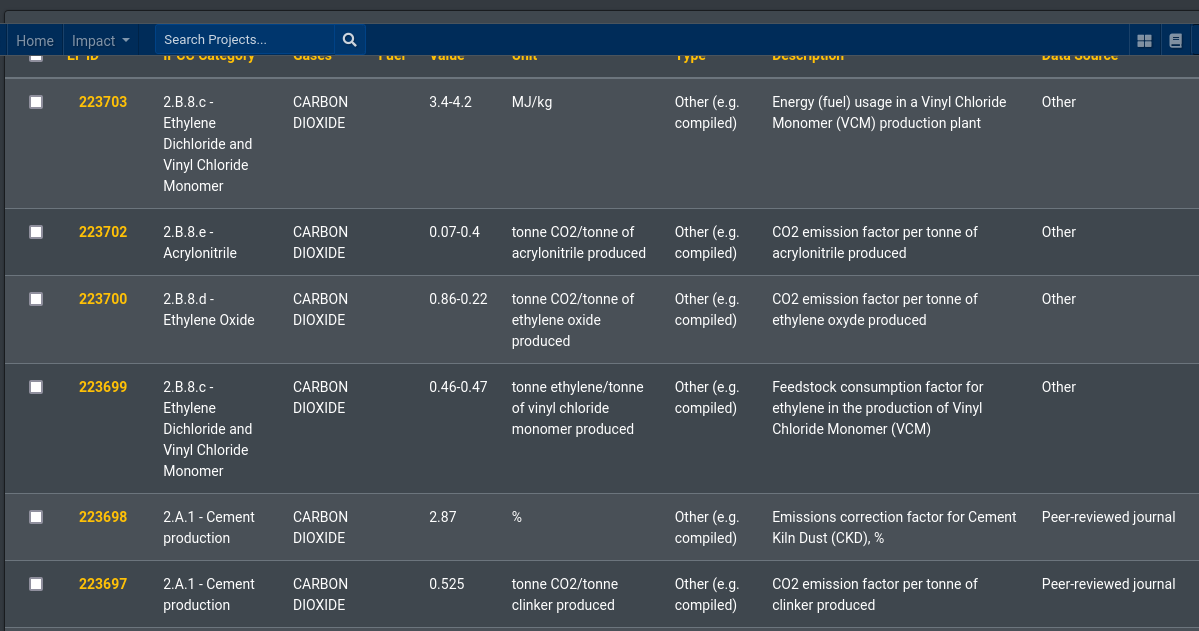
In the latest update of the Equinox Project we discuss the integration of reference data an in particular greenhouse gas emissions factors as catalogued in the IPCC Emissions Factors database (EFDB).

Reading Time: 2 min.

Equinox is an open source platform that supports the holistic risk management and reporting of major sustainable finance projects (the financing of projects with material physical footprint) such as project finance.

Equinox aims to integrate in the database a number reference databases that facilitate tasks of sustainable portfolio management. In the current focus such reference material concerns the emissions factors for various processes and activities. In the latest (Solstice Day!) update of the Equinox Project we discuss the integration of reference data an in particular greenhouse gas emissions factors as catalogued in the IPCC Emissions Factors database (EFDB).

Open Risk White Paper: Sustainable Portfolio Management - Attribution and Allocation of Greenhouse Gas Emissions

Open Risk White Paper: Sustainable Portfolio Management - Attribution and Allocation of Greenhouse Gas Emissions

We develop an analytic framework that synthesizes current approaches to sustainable portfolio management in the context of addressing climate change. We discuss the different required information layers, approaches to emissions accounting, attribution and forward-looking limit frameworks implementing carbon budget constraints.

Reading Time: 3 min.

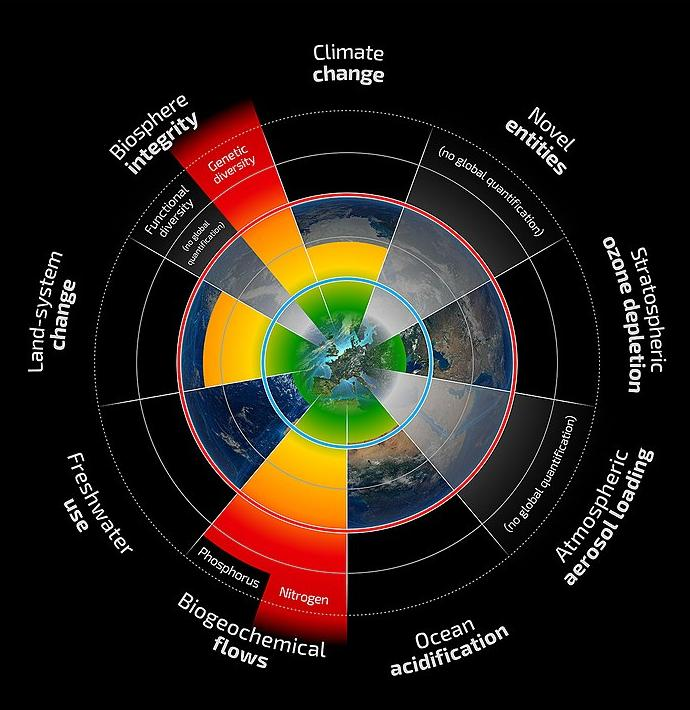
The frontpage graphic is adapted from Steffen et al. “Planetary Boundaries: Guiding human development on a changing planet”. Science (2015). The Planetary Boundaries concept was proposed in 2009 by this group of Earth system and environmental scientists. The group suggested that finding a “safe operating space for humanity” is a precondition for sustainable development. The framework is based on scientific evidence that human actions since the Industrial Revolution have become the main driver of global environmental change.

Equinox: a Platform for Sustainable Project Finance Risk Management

Equinox: a Platform for Sustainable Project Finance Risk Management

On Earth Day 2021 we are happy to launch Equinox, an open source platform supporting sustainable project finance

Reading Time: 5 min.

Motivation

Equinox is an open source platform that supports holistic risk management and reporting of Sustainable Finance (Sustainable Portfolio Management). The platform integrates geospatial information with applicable regulatory and industry standards from EBA, PCAF and Equator Principles to provide a holistic view of the footprint of both individual projects and portfolios, in particular of project finance investments.

New Open Risk Academy Course: Introduction to GeoJSON

New Open Risk Academy Course: Introduction to GeoJSON

Reading Time: 2 min.

Course Content

This course is a CrashProgram (short course) introducing the GeoJSON specification for the encoding of geospatial features. The course is at an introductory technical level. It requires some familiarity with data specifications such as JSON and a very basic knowledge of Python